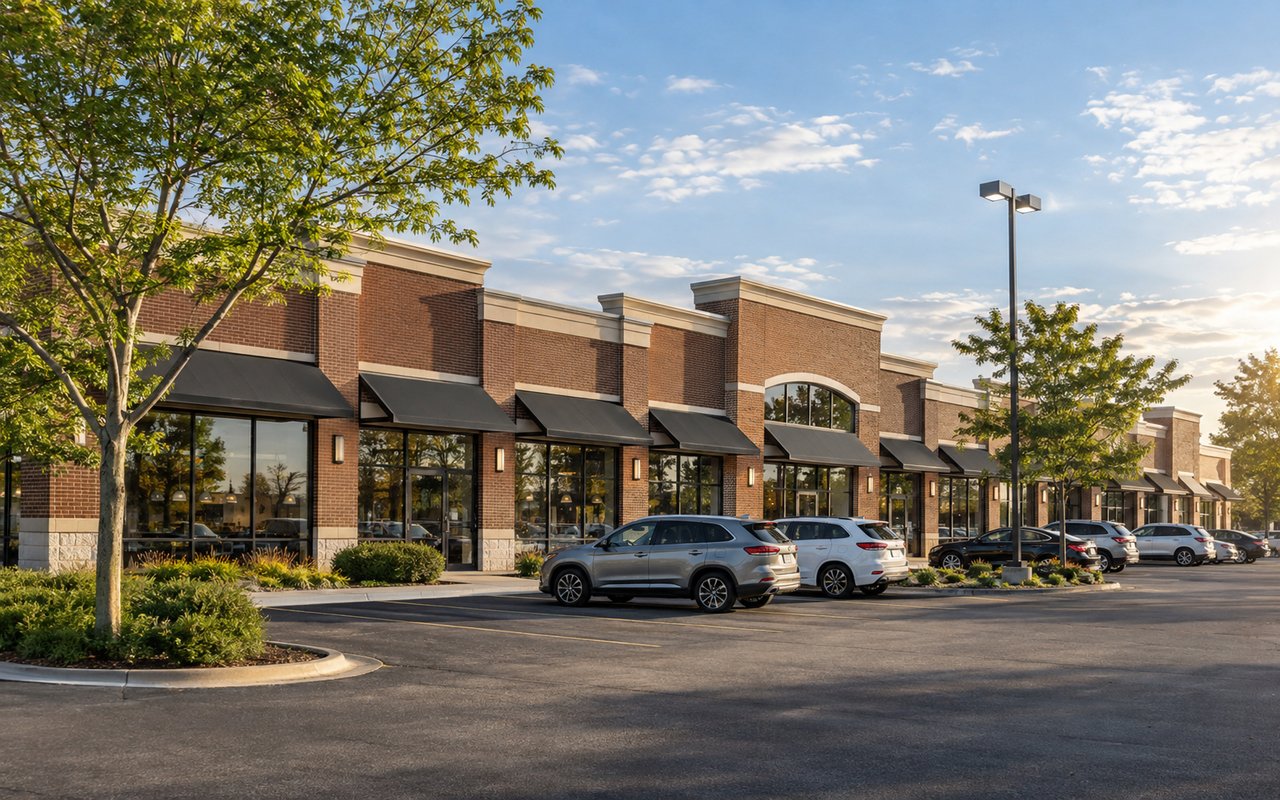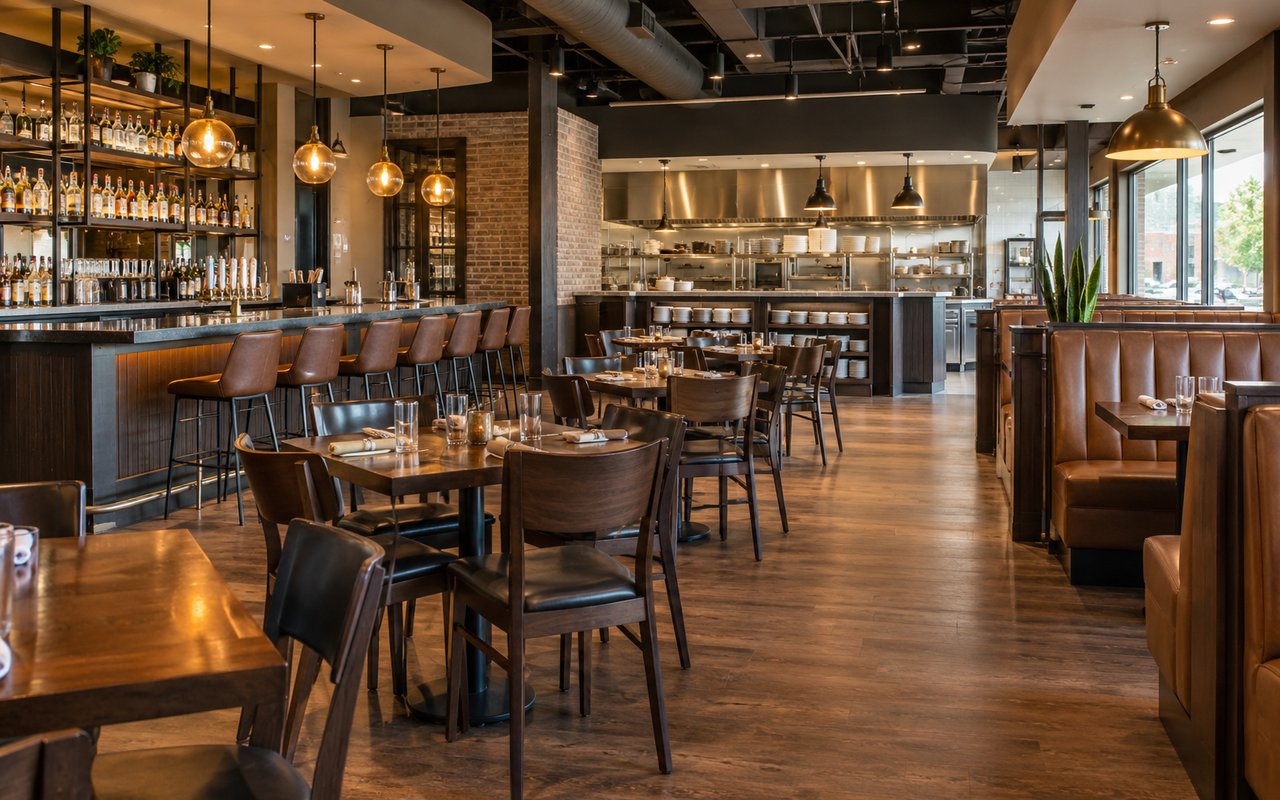
Buying or leasing a second-generation restaurant can be one of the fastest and most cost-effective ways to open a restaurant in Chicago’s northwest suburbs. The space may already contain a commercial kitchen, hood system, grease trap, bar, plumbing, dining room and other improvements that would be expensive and time-consuming to construct from scratch.
However, “second-generation” does not necessarily mean “turnkey.”
A restaurant that appears ready to operate can still have an unfavorable lease, outdated equipment, deferred maintenance, licensing problems or a layout that does not support the buyer’s concept. Before placing a deposit or signing a lease, buyers need to determine exactly what they are acquiring—and what additional investment will be required to open.
As both a commercial real estate broker and restaurant operator, I evaluate these opportunities from two perspectives: whether the real estate transaction makes sense and whether the location can realistically support the restaurant’s day-to-day operation.
What Is a Second-Generation Restaurant?
A second-generation restaurant is a commercial space that was previously occupied and built out for restaurant use. Unlike a raw storefront or former retail space, it may already include restaurant-specific improvements such as:
- A commercial hood and fire-suppression system
- A grease trap or grease interceptor
- Commercial kitchen equipment
- Walk-in coolers or freezers
- Floor drains and plumbing
- Gas and electrical service
- A bar and beverage equipment
- Dining-room furniture
- Restaurant bathrooms
- Existing signage
- Pickup, delivery or drive-through infrastructure
These improvements can save a buyer significant time and construction expense. Their existence, however, does not guarantee that they are functional, code-compliant or included in the transaction.
Every component must be inspected and every item included in the purchase must be identified in writing.
Understand What You Are Actually Buying
The phrase “restaurant for sale” can describe several very different transactions.
Purchasing the Restaurant’s Assets
In an asset sale, the buyer purchases selected assets from the restaurant operator. These may include kitchen equipment, furniture, fixtures, smallwares, signage, intellectual property and other operating assets.
The buyer may then assume the existing lease, negotiate a new lease with the landlord or relocate the purchased assets. The real estate itself is not included.
Purchasing the Operating Business
A buyer may purchase an operating restaurant that includes its name, concept, customer base, recipes, systems and goodwill in addition to its physical assets.
This requires financial due diligence beyond inspecting the space and equipment. The buyer should verify revenue, expenses, payroll, vendor obligations and other representations about the business.
Purchasing the Real Estate and Restaurant Assets
Some opportunities include the building, land and restaurant assets. In that situation, the buyer must evaluate both the operating business and the underlying real estate.
The value of the property should be considered separately from the value of the restaurant equipment and business. A strong restaurant does not automatically make the real estate a good investment, and valuable real estate does not necessarily make the restaurant operation profitable.
Before negotiating price, determine which of these transactions is actually being offered.
Review the Lease Before Valuing the Restaurant
A restaurant’s equipment and buildout can have limited value if the buyer cannot secure an acceptable lease.
Important lease terms include:
- Base rent
- Property taxes, insurance and CAM expenses
- Remaining lease term
- Renewal options
- Annual rent increases
- Security deposit
- Personal-guaranty requirements
- Permitted use
- Assignment rights
- Exclusivity protections
- Signage rights
- Repair and maintenance obligations
- HVAC responsibilities
- Patio or outdoor-dining rights
- Parking and delivery access
A seller cannot automatically transfer a lease simply because the buyer purchases the business or equipment. Most commercial leases require the landlord’s approval before an assignment can occur.
The landlord may approve an assignment, require a new lease or renegotiate certain terms. Buyers should not assume that the seller’s current rent, renewal options or other lease benefits will be available to them.
The purchase agreement should address what happens if the buyer cannot obtain an acceptable lease or landlord approval.
Determine Whether the Location Fits Your Concept
A restaurant space can be well equipped and still be wrong for the proposed concept.
Before taking over the location, evaluate:
- Visibility from the main road
- Ease of entering and leaving the property
- Parking during peak periods
- Nearby residential and employment populations
- Surrounding restaurants and complementary businesses
- Delivery-driver access
- Pickup-order staging
- Outdoor-seating potential
- Signage visibility
- Competition within the trade area
- Whether the prior restaurant’s reputation affects the location
A location that worked for a neighborhood breakfast restaurant may not support a high-volume dinner concept. A former bar may have more plumbing and seating than a carryout-focused operator needs. A large dining room may appear valuable but create unnecessary rent, labor and maintenance expenses.
The space should be evaluated around the new operator’s business model—not the previous restaurant’s layout.
Verify Zoning and Permitted Use
A property’s prior restaurant use does not guarantee that a new restaurant concept will receive approval.
Municipal requirements can vary based on:
- The proposed use
- Seating capacity
- Hours of operation
- Alcohol service
- Live entertainment
- Gaming
- Outdoor dining
- Drive-through service
- Delivery operations
- Signage
- Parking requirements
A new concept may be classified differently from the former business. For example, a full-service restaurant, tavern, banquet facility, carryout restaurant and entertainment venue may be treated differently under local regulations.
Buyers should contact the appropriate municipality and confirm the proposed use before the due-diligence period expires. Written confirmation is preferable whenever possible.
Inspect the Restaurant Equipment
Equipment is often a major part of a second-generation restaurant’s perceived value, but appearance alone does not establish value.
Create a written inventory identifying every item included in the transaction. That list may cover:
- Ovens
- Fryers
- Grills and cooking equipment
- Hood and fire-suppression systems
- Walk-in coolers and freezers
- Refrigerators and preparation tables
- Ice machines
- Dishwashing equipment
- Bar equipment
- Tables, chairs and booths
- Point-of-sale equipment
- Televisions and audio equipment
- Smallwares
- Signage
- Security systems
The buyer should determine whether each item is owned, leased, financed or supplied by a vendor. Beverage dispensers, dishwashers, point-of-sale systems and other equipment may be subject to contracts and may not belong to the seller.
Whenever possible, have major equipment inspected by qualified professionals. Replacement costs can quickly eliminate the savings expected from purchasing a second-generation space.
Evaluate the Hood, HVAC, Plumbing and Utilities
The expensive components are often the ones buyers cannot fully evaluate during a quick showing.
Pay particular attention to:
- Condition and capacity of the hood system
- Fire-suppression inspection status
- Grease-trap size and maintenance
- HVAC condition and remaining useful life
- Electrical-service capacity
- Gas-service capacity
- Plumbing and floor drains
- Walk-in refrigeration systems
- Roof penetrations and exhaust
- Hot-water capacity
- Accessibility requirements
It is also important to determine who is responsible for repairing and replacing these systems under the lease.
A landlord may maintain the building structure while requiring the tenant to repair or replace the HVAC, plumbing, hood system or other restaurant-specific improvements. That responsibility can create a substantial future expense.
Confirm the Status of Licenses and Permits
Restaurant licenses generally require approval from the applicable governmental authority. Buyers should not assume that the seller’s food-service, liquor, entertainment, patio or gaming approvals can simply be transferred.
The buyer should identify every approval needed for the new concept and determine:
- Whether the proposed use is allowed
- Which licenses require a new application
- Expected application timelines
- Required inspections
- Ownership or background-disclosure requirements
- Whether any existing violations must be corrected
- Whether the premises must be modified
- Whether alcohol, entertainment or gaming is permitted at that location
The timing matters. A buyer who begins paying rent before receiving necessary approvals may carry the space for months without being able to operate.
License approval, landlord approval and municipal approval should be addressed carefully in the transaction documents.
Investigate Why the Previous Restaurant Closed
A restaurant can close for many reasons that have little to do with the real estate. The operator may have been undercapitalized, poorly managed, dealing with partnership problems or simply ready to retire.
However, buyers should still investigate whether the location contributed to the failure.
Questions to consider include:
- Was the rent too high for the restaurant’s sales?
- Were property taxes and CAM expenses increasing?
- Was access difficult?
- Was parking insufficient?
- Did the concept lack visibility?
- Was the space larger than the business needed?
- Did equipment failures create excessive expenses?
- Did the restaurant have licensing or municipal problems?
- Was the area oversaturated with similar concepts?
- Does the property have a negative reputation?
The goal is not to reject every location where a restaurant closed. It is to understand the cause and determine whether the new operator’s plan solves the underlying problem.
Review the Restaurant’s Financial Information
If the buyer is purchasing an operating business or paying for goodwill, the seller’s financial representations must be verified.
Depending on the transaction, buyers may review:
- Tax returns
- Profit-and-loss statements
- Bank statements
- Point-of-sale reports
- Sales-tax filings
- Payroll reports
- Vendor invoices
- Utility bills
- Delivery-platform statements
- Gaming or liquor revenue
- Gift-card obligations
- Equipment leases
- Existing debt or liens
A buyer should not value a business solely from verbal sales claims. Compare reported revenue across multiple records, and adjust expenses to reflect the buyer’s expected operation.
A busy dining room does not necessarily mean the restaurant is profitable.
Calculate the True Cost to Open
The purchase price is only one component of the investment.
A buyer’s total opening budget may include:
- Asset or business purchase price
- Security deposit
- Initial rent and operating expenses
- Legal and accounting fees
- Licensing and permit costs
- Equipment repairs or replacements
- Remodeling and branding
- Signage
- Initial food and beverage inventory
- Insurance
- Utility deposits
- Technology and point-of-sale systems
- Professional cleaning
- Marketing
- Training and pre-opening payroll
- Working capital
Buyers frequently spend nearly all available capital acquiring and renovating the restaurant, leaving too little cash for the first several months of operation.
A second-generation space may reduce construction expenses, but it does not eliminate the need for adequate working capital.
Protect the Buyer With Proper Due Diligence
The letter of intent and purchase agreement should provide enough time for the buyer and the buyer’s professionals to investigate the opportunity.
Depending on the transaction, important contingencies may include:
- Landlord approval
- Execution of an acceptable lease
- Municipal and zoning approval
- Liquor or other license approval
- Equipment inspection
- Financial due diligence
- Financing
- Clear title to purchased assets
- Confirmation of included inventory
- Review of existing contracts
- Satisfactory physical inspection
Deposits, deadlines, and refund rights should be clearly documented. The buyer should work with an experienced attorney and accountant before completing the acquisition.
Is a Second-Generation Restaurant the Right Choice?
A second-generation restaurant can provide significant advantages:
- Lower initial construction costs
- Faster opening timeline
- Existing restaurant infrastructure
- Established utility capacity
- Furniture and equipment
- A layout that may require only limited modification
The opportunity is most attractive when the space fits the new concept, the equipment is functional, the lease is sustainable and the buyer can obtain all necessary approvals.
It becomes far less attractive when the buyer pays for unusable equipment, inherits excessive rent, or forces a new concept into a space that does not support it.
The right question isn't simply, “How much does the seller want?”
The better question is, “What will it cost to acquire, repair, approve, open, and operate this restaurant successfully?”
Work With a Restaurant Real Estate Broker
Restaurant transactions combine commercial leasing, equipment, licensing, business valuation, and operational considerations. Buyers need to understand how these components work together before committing capital.
The Rafidia Lezza Team at Kawash Group represents restaurant operators and buyers throughout Chicago’s northwest suburbs. Our experience in commercial real estate and restaurant operations lets us evaluate opportunities from both brokerage and operator perspectives.
If you are considering purchasing a restaurant, acquiring restaurant assets, or leasing a second-generation restaurant space, contact our team before signing a letter of intent or paying a nonrefundable deposit.