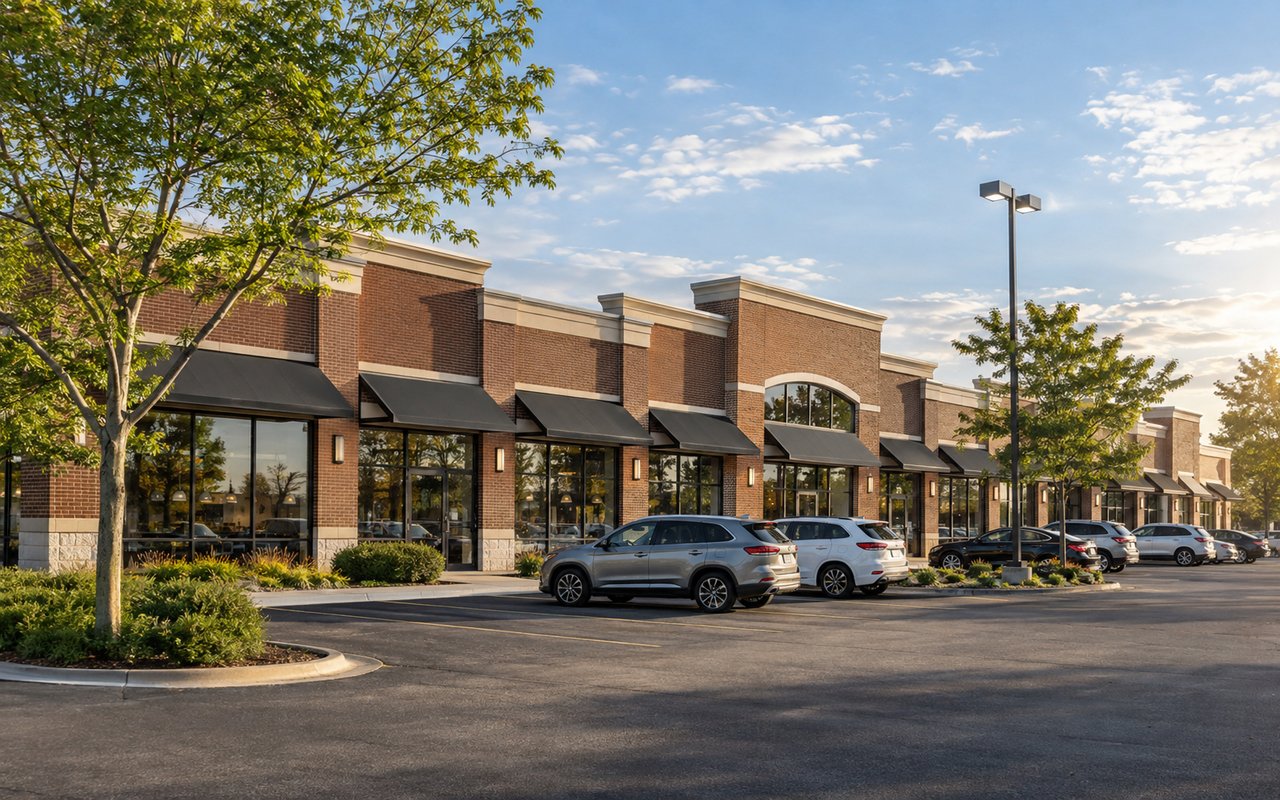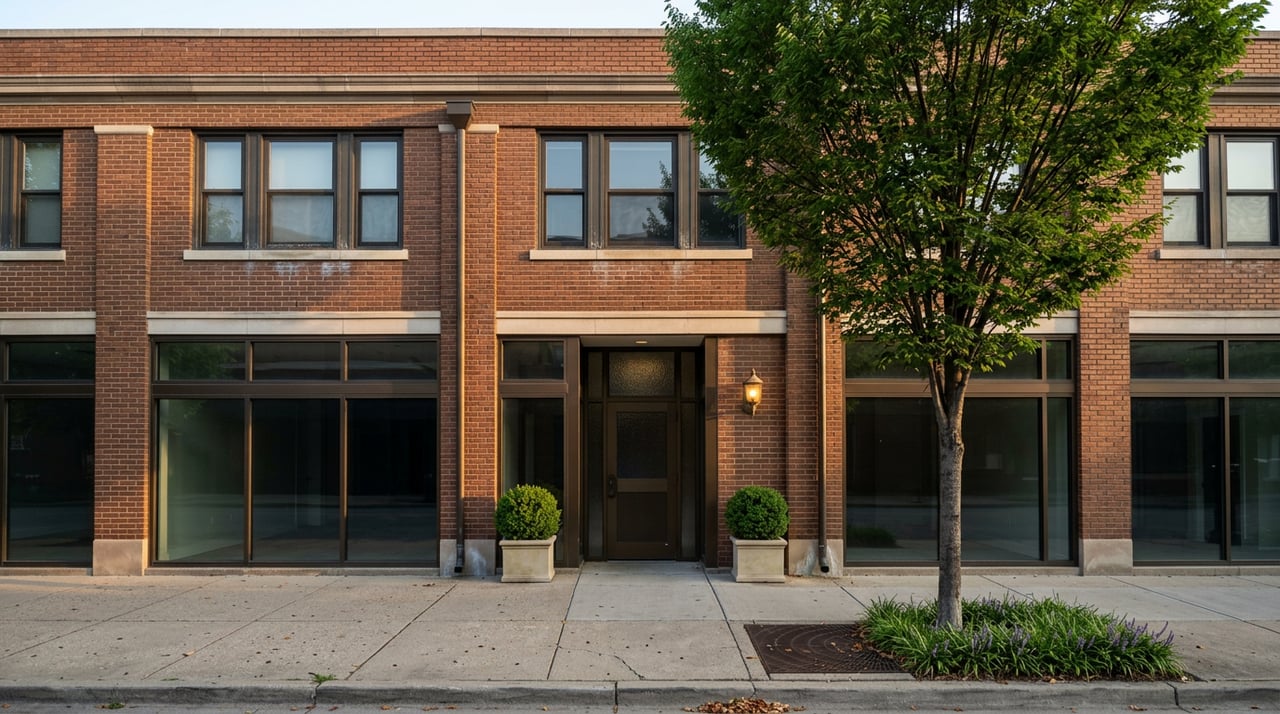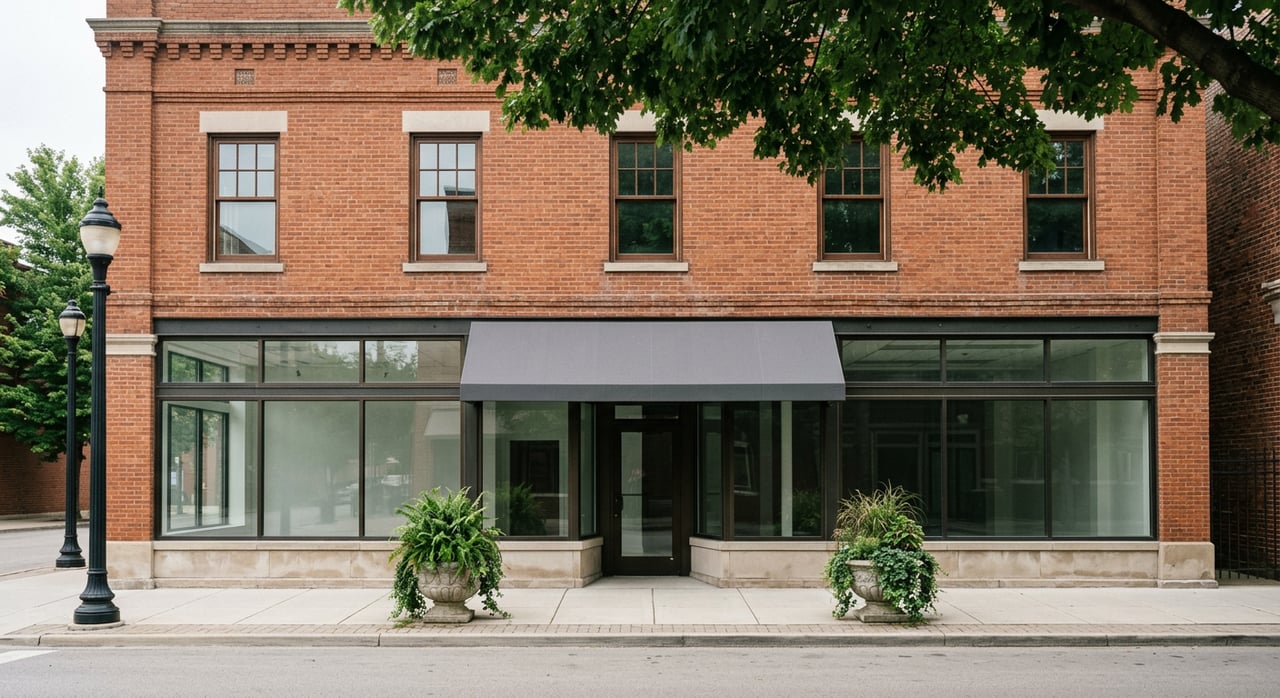
If you are eyeing small retail or mixed-use in 60016, you are not alone. Des Plaines shows a mix of solid neighborhood demand and visible storefront vacancy, which can scare some buyers and reward others. The upside is real if you match tenant strategy to transit, manage taxes, and use local incentives well. In this guide, you will see where investors are finding yield, how to price risk, and what actions move a deal from pro forma to proof. Let’s dive in.
Why Des Plaines is on investor radar
Des Plaines sits in northwest Cook County with quick access to I‑90 and I‑294 and a Metra station at the heart of downtown. That station concentrates commuter and discretionary foot traffic that supports neighborhood retail. The city’s core blocks are a short walk from the platform, which matters for small storefront absorption and restaurant trade.
Transit and walkability near Metra
Metra reports the Union Pacific Northwest line carried about 5.18 million trips in 2024, a recovery that benefits storefronts within a quarter to half mile of stations. Assets near the Des Plaines stop often market train proximity as a measurable traffic driver. If you are underwriting a downtown space, factor higher midday and weekend trade for transit-adjacent locations based on this ridership trend. Metra’s annual memo details the ridership.
Spending power in the trade area
ZIP 60016’s estimated median household income is about $84,000, while citywide Des Plaines sits closer to the mid $90,000s. That split suggests consistent neighborhood spending with pockets of higher capture potential. Use ZIP data for immediate trade area sizing and city data for broader positioning. You can review the ZIP profile on Census Reporter.
Downtown supply and leasing reality
The city’s downtown study counted roughly 90 ground-floor storefronts, with about 72 occupied and 26 vacant. That puts downtown vacancy in the low-to-teens, with the study citing about 13.4% in the area reviewed. The tenant mix leans toward personal and professional services, which supports steady daytime use but less comparison shopping. See the city’s downtown materials for context on counts, vacancy, and mix in the study area (Downtown study PDF).
Peer comparison and what it signals
Nearby downtowns like Park Ridge show tighter performance. The city’s benchmarking cites Park Ridge at about 5.7% vacancy and higher average asking rents. Des Plaines’ higher vacancy creates a classic tradeoff: more leasing work in exchange for entry pricing and yield that can pencil if you execute. The same downtown study outlines those comparisons and how they frame risk and opportunity (city study reference).
Pricing and yields you can benchmark
Regional brokerage surveys place unanchored neighborhood strip assets in the Central region commonly in the ~7–8% going-in cap band, with grocery-anchored retail trading tighter. Use tenant credit, lease term, and station proximity to adjust your target yield. Review the mid-year market survey for cap-rate context across subtypes (Newmark V&A survey).
Grocery anchor and station proximity in practice
A downtown mixed-use center at 300 Market Street was marketed as a grocery-anchored, transit-adjacent offering with roughly 80% occupancy and immediate access to the Metra station. The way it was positioned highlights what buyers pay for: necessity anchors plus walkable access. It is a useful snapshot of how brokers underwrite demand drivers in downtown Des Plaines (local offering example).
Taxes and carrying costs to model
Municipal comparisons show Des Plaines’ 2024 composite rate around 8.741 per $100 EAV. Taxes can move NOI, so request current bills, confirm equalized assessed value, and check for any pending adjustments. A published suburban comparison table helps you gauge where Des Plaines sits among peers (tax-rate comparison).
Value-add plays that pencil in 60016
Re-tenant to necessity and service users
Necessity retail like grocery, pharmacy, medical and dental, and value-oriented discount concepts tend to drive stable traffic and lower vacancy. Many buyers still favor grocery-anchored centers for downside protection, which supports tighter pricing once stabilized. For investor sentiment and why these tenants remain resilient, see this industry overview (investor appetite for grocery-anchored retail).
Add or convert upper floors
If zoning and structure allow, convert underused upper floors to apartments or modern offices to diversify income and lift blended yields. Several northwest-suburb downtown projects show how added housing can support ground-floor absorption and create a flywheel for nearby retail. Local coverage highlights why the region’s transit-served suburbs remain active for multifamily delivery (northwest suburbs multifamily trend).
Use TIF and facade programs
Des Plaines maintains multiple TIF districts and invests in downtown upgrades like facades, parking, and streetscape improvements. These tools can compress lease-up timelines and justify targeted capex. Before you budget improvements, confirm your parcel’s TIF boundaries and review recent Joint Review Board reports to check eligibility and process (City of Des Plaines TIF page).
Keep storefronts active while you lease
Short-term pop-ups, gallery windows, or commissary kitchens can activate a block while longer-term deals get negotiated. Temporary activations maintain walkability, help prospective tenants visualize the space, and support restaurant momentum once you add outdoor seating where allowed. Refer back to the downtown study for how activation and placemaking feature in the city’s planning focus (downtown study reference).
Leasing risk to underwrite early
Lease roll and TI exposure
Concentrated lease expirations in the same 12 to 24 months increase downtime risk. Stress test your model with 6 to 12 months of vacancy for smaller suites, realistic tenant improvement packages, and leasing commissions. Expect more capex if you are converting a vanilla box to a restaurant space with venting and hood systems.
Credit mix and co-tenancy
Local service users can be durable but vary widely in credit. A single grocery or regional credit tenant tends to reduce yield volatility across the rest of the lineup. Price to the actual credit and term you can secure, not the tenant type alone.
Taxes, assessments, and compliance
Carry current tax bills into your pro forma, and verify any special assessments or EAV changes. If you plan a residential conversion, confirm code, fire egress, parking requirements, and the path to a certificate of occupancy with the city early. The city’s TIF materials and downtown studies are useful starting points for process and policy context (TIF and planning resources).
Financing options that fit small deals
SBA for owner-operators
If you plan to occupy a significant portion of the space with your own business, SBA 504 or 7(a) programs can offer lower down payments and long terms. Typical rules require owner-occupancy of at least 51% of an existing building. Confirm current thresholds and terms with your lender early (SBA 504 occupancy guidance).
Investor debt for stabilized or bridge
Pure investor acquisitions often use small-balance commercial bank loans or DSCR loans, with bridge or private debt for faster closings or heavier value-add. Lenders will focus on lease roll, tenant credit, and realistic vacancy assumptions for mixed-use. Underwrite multiple rate environments and size debt to conservative in-place NOI.
How Des Plaines stacks up nearby
Relative income in the Des Plaines trade area supports day-to-day retail, which helps service tenants and necessity anchors. The tradeoff is a downtown vacancy profile that is meaningfully higher than some neighbors like Park Ridge. If you prefer lower vacancy and higher rents, target tighter downtowns. If you want yield and have a leasing and placemaking plan, Des Plaines offers a value-add path, especially near the Metra stop. The city’s benchmarking and income data frame this choice clearly (downtown study; ZIP income profile).
Quick due diligence checklist
- Pull the current rent roll, estoppels if available, and the last three years of CAM reconciliations.
- Confirm lease expirations, options, and any percentage rent or co-tenancy language.
- Collect the most recent Cook County tax bills and verify current EAV and any pending changes (tax-rate context).
- Walk the block during weekday midday, evenings, and weekends, and count pedestrians during train arrival windows to quantify foot traffic (UP‑NW ridership memo).
- Verify zoning for any upper-floor conversion and check TIF boundaries and recent JRB reports for incentives (TIF resource).
- Model two financing paths: bank or DSCR for investor deals, and SBA 504 for owner-operators, with sensitivity to 6–12 months of downtime and 100–200 bps cap-rate movement.
What this means for you
Des Plaines gives you a clear choice. If you want a stable coupon with less work, you may favor nearby downtowns with lower vacancy and higher rents. If you want yield backed by walkable transit and are willing to execute on re-tenanting and light repositioning, 60016 offers room to create value. Focus on necessity anchors, leverage TIF and facade funds where eligible, and price to realistic lease-up timelines.
If you want a second set of eyes on underwriting, a tenant pipeline for a tricky vacancy, or a go-to-market plan for a mixed-use disposition, the Rafidia Team pairs commercial deal fluency with a full presentation stack to help you move faster and smarter. Schedule a Private Consultation.
FAQs
What cap rates are typical for small retail in Des Plaines 60016?
- Regional surveys place unanchored neighborhood retail in the Central region around ~7–8%, with grocery-anchored assets trading tighter depending on credit and term, and station proximity influencing pricing (Newmark survey).
How does Metra ridership affect downtown storefront performance?
- The UP‑NW line carried about 5.18 million trips in 2024, which supports better midday and weekend trade for spaces within a quarter to half mile of the Des Plaines station (Metra ridership memo).
Are there incentives for renovating a mixed-use building near the Des Plaines station?
- Yes. Multiple TIF districts and related programs can support facade, streetscape, and parking improvements; confirm boundaries and eligibility in recent Joint Review Board materials (City TIF page).
Which tenant types are most resilient in downtown Des Plaines?
- Necessity and service uses such as grocery, pharmacy, medical/dental, and value-oriented retail tend to drive steady traffic, while restaurants and experiential concepts can offer upside with higher turnover and capex needs (grocery-anchored retail overview; downtown tenant mix study).
What should I check before converting upper floors to apartments in 60016?
- Confirm zoning, fire egress, parking ratios, and certificate-of-occupancy path with the city; review downtown plan materials and consider how added housing can support ground-floor retail absorption (city planning and TIF resources; regional multifamily trend).