Wondering what day-to-day life actually feels like in Buffalo Grove’s established areas? If you are exploring the village as a future buyer, a local seller, or simply comparing suburbs, it helps to look beyond listing photos and focus on the rhythm of everyday routines. From mature subdivisions and corridor shopping to trails, parks, and commuter options, Buffalo Grove offers a practical, well-established suburban lifestyle. Let’s dive in.
Buffalo Grove Feels Established
Buffalo Grove is a mature northwest suburban community about 35 miles from Chicago and spans more than 9.25 square miles. Instead of revolving around one traditional downtown, the village is shaped by residential subdivisions, major road corridors, shopping nodes, and a broad park-and-trail network.
That setup gives daily life a steady, functional feel. You are likely to spend your time moving between home, parks, errands, and commuter routes rather than gathering around a single central district.
Housing Has a Lived-In Character
One of the clearest signs of Buffalo Grove’s established character is its housing stock. The village’s 2009 Comprehensive Plan notes that 1982 was the median year of construction, and 77.6% of housing units were built before 1990.
For you, that often means mature lots, established streetscapes, and homes that reflect different building eras. In practical terms, buyers may find a mix of original features, thoughtful updates, and homes that have evolved over time.
Detached Homes Anchor the Village
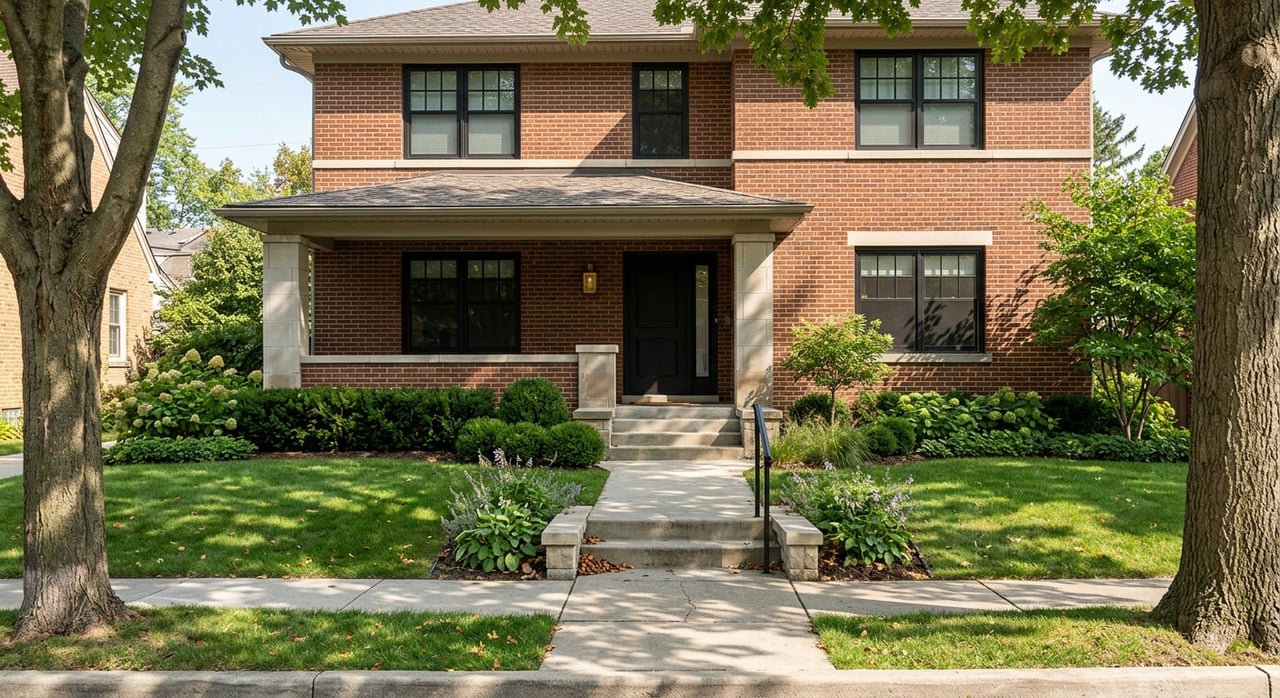
Single-family detached homes are the village’s largest land-use category and appear throughout Buffalo Grove. Subdivisions named in village planning materials include Strathmore, Woodlands at Fiore, Old Farm Village, and The Highlands.
These areas vary widely in size, from less than 1 acre to more than 330 acres. That patchwork creates a village that feels varied rather than repetitive, with different neighborhood scales and street patterns across the community.
Corridors Add More Housing Options
Buffalo Grove also includes attached homes and multi-family buildings in key corridor areas. Townhomes and duplexes are concentrated along Buffalo Grove Road, Route 22, Deerfield Parkway, and Route 83.
Multi-family buildings are more common along Dundee Road, Route 83, Deerfield Parkway, and north of Chevy Chase Country Club. This mix supports different lifestyles, whether you prefer a detached-home setting or a more compact home base near major routes and services.
Parks Shape Daily Routines
If you value access to open space, Buffalo Grove offers a strong park system. The Buffalo Grove Park District maintains 50 park sites totaling 415.3 acres and describes its programming as year-round.
That scale matters because it makes recreation part of normal life, not just a weekend plan. Whether your routine includes walking, fitness, family outings, arts programming, or seasonal events, there are many ways to build those activities into your week.
Facilities Support Many Interests
The park district’s core facilities include the Raupp Museum, Alcott Center, Community Arts Center, Emmerich Park, Rick Drazner Park, Golf Dome, Spray 'N Play, Willow Stream Outdoor Pool, and Fitness Center. Together, these spaces support a wide range of interests without requiring a long drive outside the village.
For households with busy schedules, that convenience can be a real advantage. It helps turn recreation into something you can do regularly, even on a weekday.
Events Add a Community Rhythm
The district calendar also gives Buffalo Grove a repeating local rhythm through the year. Programming includes performing arts, before-and-after school care, summer day camps, preschool, youth sports, senior activities, Movies Under the Stars, the Summer Concert Series, National Night Out, and the Huck Finn Fishing Derby.
The village Farmers Market adds another layer to that routine. It runs every Sunday from June through October at Mike Rylko Community Park and includes farmers, food vendors, businesses, live entertainment, community booths, kids' activities, and local business spotlights.
Trails Make It Easier to Stay Active
Buffalo Grove’s trail network is one of the features that can quietly improve everyday life. The village highlights 43 miles of paths and sidewalks that connect to Lake and Cook County Forest Preserve District lands.
That gives you options for walking, biking, and casual outdoor time without having to plan a major outing. It also helps connect residential areas to the wider community.
Local and Regional Connections Matter
Nearby access includes the Buffalo Creek Trail, a four-mile preserve trail, and the Des Plaines River Trail, which runs about 56 miles through Cook and Lake counties. For many residents, that means exercise and fresh air can fit into ordinary mornings, evenings, or weekends.
In established suburban areas, these connections often become part of the lifestyle people value most. They support a sense of space and movement even within a built-out community.
Commuting Relies on Roads and Transit
Buffalo Grove’s mobility picture is shaped by both commuter transit and arterial roads. The village has two Metra stations, Buffalo Grove and Prairie View, on the North Central Service, which runs from Chicago’s Union Station northwest to Antioch.
Pace also serves the community through Routes 234, 626, and 272. That combination gives you more than one way to navigate work, appointments, and regional travel.
Major Corridors Influence Everyday Travel
Major roads in and around Buffalo Grove include Lake Cook Road, Dundee Road, Half Day Road, McHenry Road, Milwaukee Avenue, Arlington Heights Road, Buffalo Grove Road, Deerfield Parkway, and Aptakisic Road. These corridors strongly shape how people move through the village.
Lake Cook Road alone carries more than 40,000 vehicles per day, according to the village. So while Buffalo Grove offers residential calm in many subdivisions, daily movement is closely tied to well-used arterial routes.
Transit Is Part of the Mix
Route 272 provides weekday and Saturday service along Milwaukee Avenue and makes select weekday trips to businesses on Busch Parkway and to the Buffalo Grove Pace Park-n-Ride and Metra Station. For you, that means train and bus service are both part of the transportation picture, even if driving remains central to many routines.
This matters most when you are thinking beyond the house itself. Ease of movement often shapes how convenient a community feels over time.
Errands Follow a Corridor Pattern
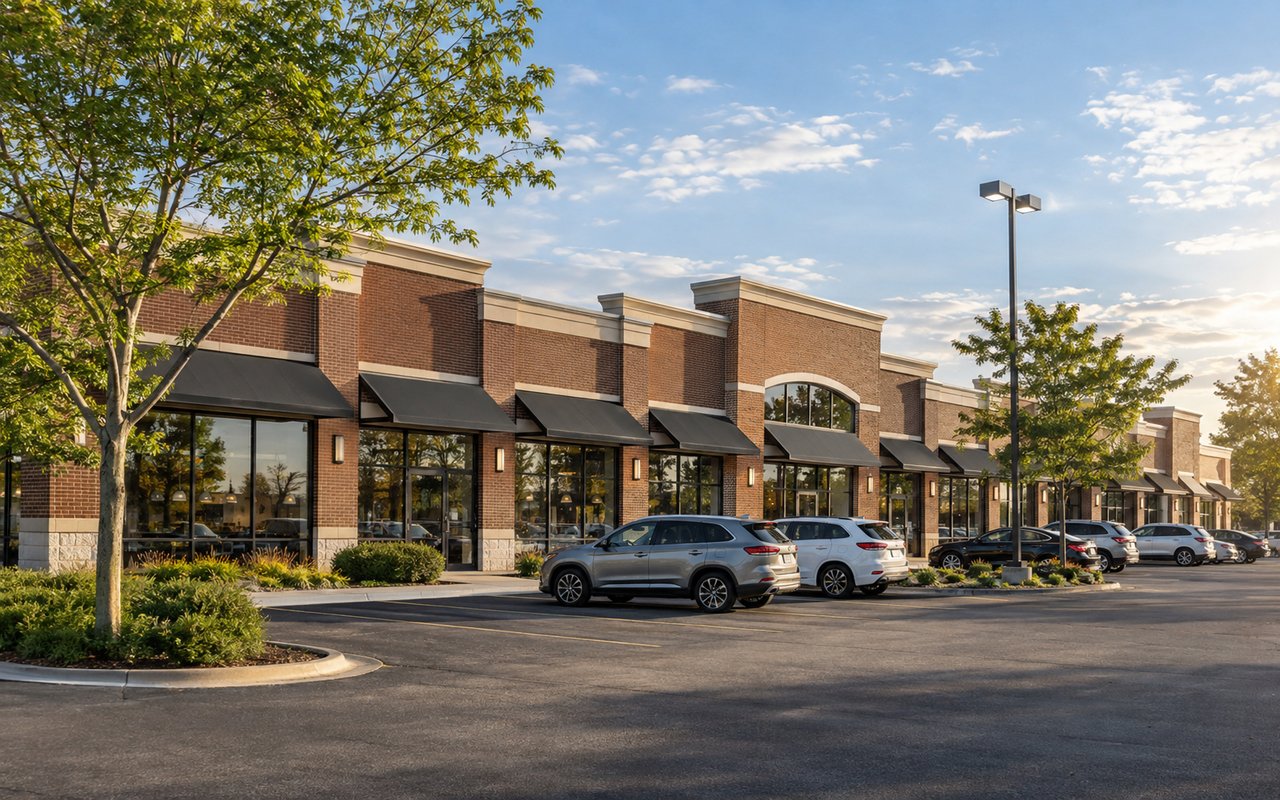
One of the most practical things to know about Buffalo Grove is how errands tend to work. Rather than clustering around one downtown, groceries, restaurants, retail, and services are concentrated along major commercial corridors and shopping centers.
That pattern can make day-to-day living feel efficient. If you like being able to stack errands along a route home, Buffalo Grove’s layout supports that kind of routine.
Lake Cook Road Is a Key Hub
The Lake Cook Corridor spans more than 472 acres and includes over one million square feet of commercial space, along with residential developments, the village campus, and a municipal golf course. It is a major part of how the community functions on a daily basis.
The Clove redevelopment at the former Town Center site includes a grocery tenant, a 297-unit apartment building, 65,000 square feet of retail and restaurants, and a central park. That mix reinforces the area’s role as an everyday destination for shopping, dining, and community activity.
Dundee Road Adds More Convenience
The Dundee Road TIF district includes Plaza Verde Shopping Centers, Strathmore Shopping Center, Buffalo Grove High School, and Bison Crossing. The Lake Cook Road TIF district includes Town Center, Chase Plaza, and the Grove Shopping Center.
For residents, this means daily needs are spread across a few major nodes. In real life, that often translates to predictable errand patterns and easy access to services from many established residential areas.
What Everyday Life Feels Like
Taken together, Buffalo Grove’s established areas offer a mature suburban environment with a practical, community-oriented feel. Detached-home neighborhoods form the backbone, while parks, trails, transit, and retail corridors support the day-to-day experience.
If you are looking for a place that feels settled rather than brand new, this setup may be appealing. Buffalo Grove’s established areas are less about one signature district and more about how well the pieces of everyday life fit together.
If you are thinking about buying or selling in Buffalo Grove, working with a team that understands how lifestyle, presentation, and local market context come together can make a meaningful difference. The Rafidia Team brings a polished, strategic approach to suburban residential real estate across the Chicago area.
FAQs
What are Buffalo Grove’s established areas like for everyday living?
- Buffalo Grove’s established areas feel practical and mature, with detached-home neighborhoods, corridor shopping, parks, trails, and commuter access shaping day-to-day life.
What types of homes are common in Buffalo Grove’s older neighborhoods?
- Single-family detached homes are the largest land-use category, with additional townhomes, duplexes, and multi-family housing concentrated along major corridors such as Buffalo Grove Road, Route 22, Deerfield Parkway, Route 83, and Dundee Road.
Does Buffalo Grove have parks and recreation throughout the village?
- Yes. The Buffalo Grove Park District maintains 50 park sites totaling 415.3 acres, along with facilities such as the Fitness Center, Willow Stream Outdoor Pool, Spray 'N Play, and Community Arts Center.
Are trails and walking paths part of life in Buffalo Grove?
- Yes. The village highlights 43 miles of paths and sidewalks, with connections to forest preserve lands and access to trails such as Buffalo Creek Trail and the Des Plaines River Trail.
How do most errands work in Buffalo Grove?
- Errands are generally corridor-based, with groceries, retail, restaurants, and services clustered along major areas such as the Lake Cook Corridor and Dundee Road shopping nodes rather than one central downtown.
What commuter options are available in Buffalo Grove?
- Buffalo Grove has two Metra stations, Buffalo Grove and Prairie View, on the North Central Service, and Pace serves the community through Routes 234, 626, and 272.