If you are drawn to privacy, space, and a more club-centered way of living, Inverness stands out from many other northwest suburbs. This is not a place built around busy retail corridors or dense subdivisions. Instead, you will find large lots, winding roads, mature trees, and residential enclaves shaped by long-range planning. In this guide, you will get a clear look at how Inverness golf course and estate communities are structured, what makes each area distinct, and how to think about the lifestyle if you are considering a move. Let’s dive in.
What Makes Inverness Different
Inverness is a planned, low-density village of about 6.5 square miles with a population of roughly 7,600, according to the Village of Inverness community profile. From the beginning, the village was designed to follow the natural terrain rather than force a more conventional subdivision layout.
That early planning still matters today. The village notes that one-acre minimum lot sizes, controlled home placement, and attention to exterior appearance were part of preserving its overall character. The result is a setting that feels quieter, more private, and less compact than many nearby suburbs.
Another defining detail is infrastructure. According to the village’s water and sewer service overview, many homes still rely on private wells and septic systems, while some neighborhoods connect to Palatine or Barrington services. That mix reinforces the low-density feel and helps explain why Inverness often feels more like a collection of estate enclaves than a single uniform subdivision.
Golf Is Part of the Community Identity
In Inverness, golf is more than an amenity. It is woven into the village’s history and social rhythm. The Inverness Golf Club is a private, year-round club with an 18-hole par-72 course, racquets, dining, events, and membership programming.
Village history also points to the golf club as the center of recreation as far back as 1939. That long-standing presence gives the community a private, club-oriented feel that differs from suburbs where daily life revolves around a walkable downtown or large commercial district.
For you as a buyer, that can shape expectations in a helpful way. Inverness tends to appeal to people who value residential calm, private roads and drives, and a lifestyle centered more on home, landscape, and club life than on dense entertainment zones.
Estate Living Across Inverness
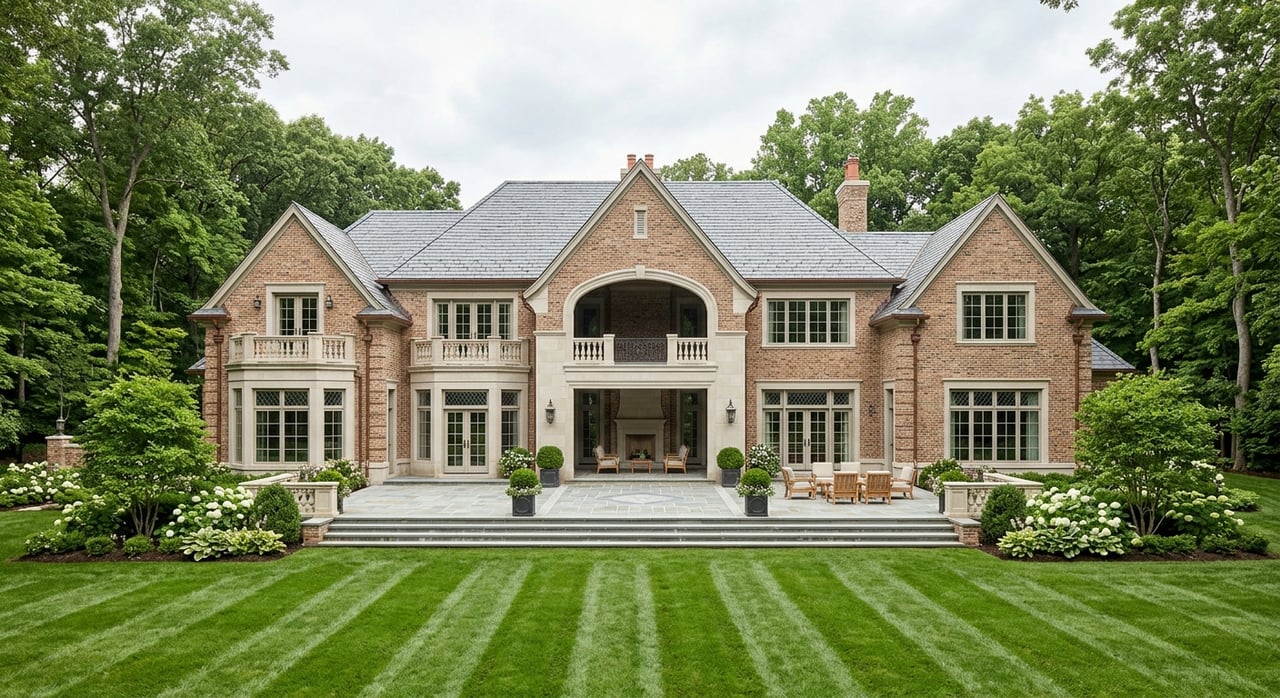
The housing stock in Inverness is not one-note. Village history explains that homes grew larger and architectural styles became more varied in the 1970s and 1980s as original postwar controls softened. Today, that variety can include Colonial, Tudor, Ranch, and Prairie-style homes across large parcels, with listings reflecting lot sizes from roughly one acre to more than 2.7 acres.
That means your home search in Inverness is often less about finding a standard model and more about identifying the right setting. Some buyers want golf adjacency. Others want a gated, lower-maintenance option or a newer estate enclave with custom homes.
McIntosh and the Original Inverness Vision
The McIntosh subdivision holds special importance in the village’s history. According to the Village of Inverness history page, McIntosh-era planning carefully controlled house plans and placement to protect community character.
That original planning approach still shows up in the feel of the area. You will often see generous setbacks, established landscaping, and homes positioned to work with the land rather than maximize density. For buyers who want Inverness in its most historically rooted form, McIntosh helps define that experience.
Golf-adjacent homes and estate-scale parcels in and around these original sections also support the low-density atmosphere people associate with Inverness. Even as the housing mix has evolved over time, the village’s underlying planning framework remains a major part of the appeal.
Braymore Hills at a Glance
If you are looking for a newer estate enclave, Braymore Hills offers a distinct option. The Braymore Hills HOA describes the neighborhood as an estate-home community set among lakes and winding roads, with 147 lots.
Recent listings cited in the research report point to one-acre parcels, cul-de-sac streets, lake views, and custom homes often in the 5,000- to 6,500-square-foot range. That combination creates a more contemporary estate-community feel while still aligning with Inverness’s broader preference for space and privacy.
Braymore Hills also helps illustrate how Inverness is not just one housing type. Within the same village, you can move from older, historically significant sections to newer custom-home enclaves with their own HOA structure and neighborhood identity.
Inverness on the Ponds
Inverness on the Ponds offers a different kind of privacy. As described in current listing information from Coldwell Banker’s property page for the community, this is a gated neighborhood with private roads, a guarded entry, and homes with pond or water views.
This enclave may appeal to buyers who want privacy without the same level of exterior upkeep tied to a large standalone estate property. Homes in the community often include one-level residences and end-unit townhomes, and association packages may cover exterior maintenance, lawn care, snow removal, and security-related services.
For the right buyer, that can create a strong balance. You still get a quiet, tucked-away setting, but with a more maintenance-light ownership experience than some of the village’s larger parcel neighborhoods.
Daily Life in Inverness
One of the clearest things to understand about Inverness is that it leans residential. The village history notes Williamsburg Village as the only business development within the village. That limited commercial density shapes daily life in a practical way.
If you live here, you are choosing a setting that emphasizes retreat over retail concentration. You may drive to neighboring communities for more shopping, dining, or services, while enjoying a home environment defined by wooded streets, large lots, and a slower pace.
This is part of why Inverness often attracts buyers who want separation between home life and commercial activity. It offers a sense of remove without cutting you off from the broader region.
Commuting and Regional Access
Privacy does not mean isolation. According to the village’s official profile, Inverness sits about 30 miles northwest of downtown Chicago and has access to Interstate 90 as well as Metra stations in Barrington and Palatine through the broader area profile available from the Village of Inverness.
That balance is one of the village’s practical strengths. You can enjoy a more secluded residential environment while maintaining access to downtown Chicago, the northwest employment corridor, and surrounding suburbs.
For many buyers, that combination is the real draw. Inverness offers room to breathe, but it still fits into a connected suburban lifestyle.
Utilities and Service Areas Matter
Inverness is also nuanced in ways that are easy to miss during an early home search. The village explains that service geography varies by neighborhood, with some areas served through Palatine and others through Barrington for water, sewer, or postal coverage, as outlined on the village utilities page.
For example, the research report notes that Inverness on the Ponds is served by Palatine, while Braymore Hills is served by Barrington. This patchwork is part of what gives the village its enclave-like feel.
As a buyer, it is worth looking closely at these details when comparing homes. Utility setup, service area, and neighborhood governance can shape day-to-day ownership more than you might expect.
Who Inverness Often Appeals To
Inverness tends to make the most sense for buyers who value land, privacy, and a residential atmosphere shaped by planning rather than dense development. If you want a highly active commercial center right outside your door, the village may feel quieter than expected.
But if you are looking for estate-scale living, mature landscaping, and a community where golf heritage and low-density design still influence daily life, Inverness offers a compelling fit. It can also appeal to buyers who want choices within that framework, from classic estate homes to gated and lower-maintenance options.
The key is understanding that Inverness is not trying to be everything. Its appeal is specific, and for the right buyer, that is exactly the advantage.
If you are considering a move to Inverness or comparing its estate and golf-oriented communities with other northwest suburban options, the Rafidia Team can help you evaluate the lifestyle, neighborhood structure, and property positioning with a more strategic lens.
FAQs
What is the overall lifestyle like in Inverness, Illinois?
- Inverness is best understood as a quiet, low-density residential village with large lots, mature landscapes, and a lifestyle shaped more by private homes and golf-club culture than by dense retail development.
What role does Inverness Golf Club play in the community?
- Inverness Golf Club is a private, year-round club with golf, racquets, dining, and events, and village history identifies it as a long-standing recreational and social anchor in the community.
What types of homes are common in Inverness estate communities?
- Buyers can find a mix of Colonial, Tudor, Ranch, and Prairie-style homes, along with custom estate properties and some maintenance-light residences in gated settings.
What is Braymore Hills in Inverness?
- Braymore Hills is a newer estate enclave with 147 lots, winding roads, lakes, HOA governance, and large custom homes on roughly one-acre parcels.
What is Inverness on the Ponds known for?
- Inverness on the Ponds is known for its gated entry, private roads, pond views, and association-supported living that may include exterior maintenance, lawn care, snow removal, and security-related services.
Are all Inverness homes on public water and sewer?
- No. Many Inverness homes use private wells and septic systems, while some neighborhoods are connected to Palatine or Barrington water and sewer services.
Is Inverness convenient for commuting to Chicago?
- Inverness is about 30 miles northwest of downtown Chicago and offers regional access through Interstate 90 and nearby Metra stations in Barrington and Palatine.