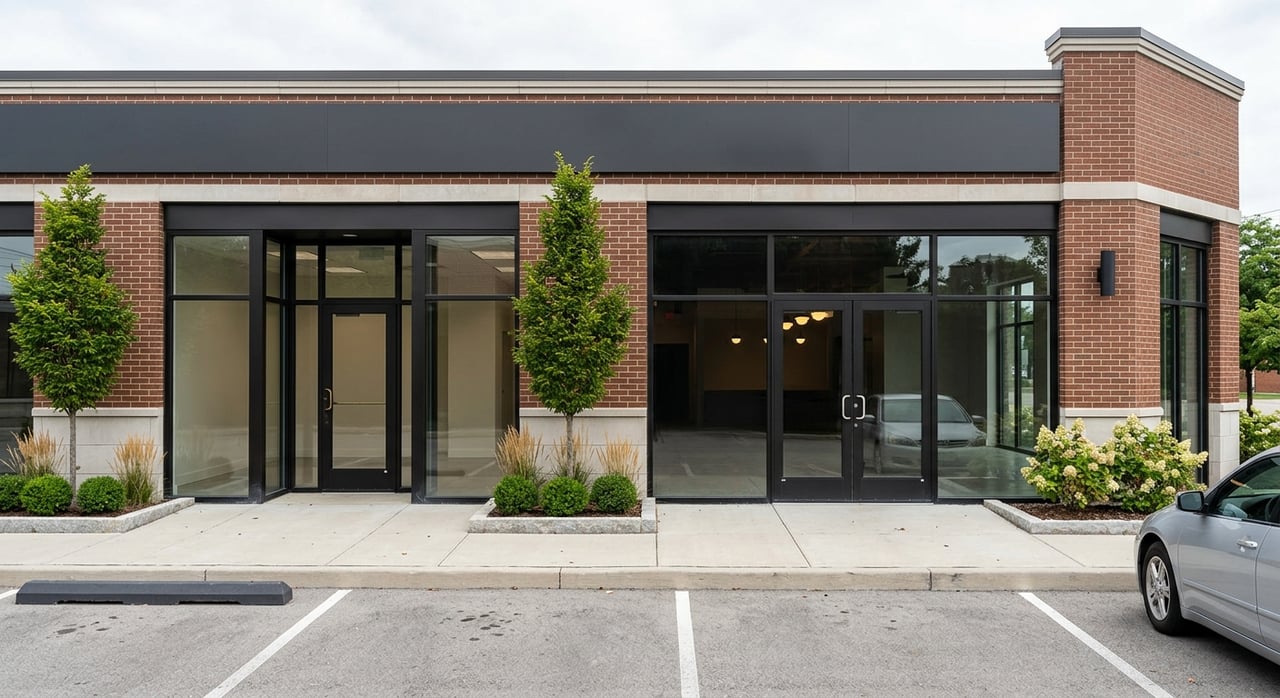
If you own a strip center or storefront in Melrose Park, the right lease strategy can shape your cash flow for years. In a market built around daily-needs retail, convenience, visibility, and execution often matter more than chasing the highest headline rent. This guide walks you through what to prioritize in Melrose Park, from tenant mix and lease structure to build-out planning and corridor positioning. Let’s dive in.
Understand the Melrose Park retail context
Melrose Park offers a compact but active retail trade area. The U.S. Census Bureau estimates 23,999 residents in 2024, median household income at $66,189, and about $1.2 billion in total retail sales in 2022. That level of retail activity supports a practical leasing approach centered on repeat visits and everyday consumer needs.
The village also reports a strong local business base, with 2,101 businesses and 7,888 households in its 2020 profile. For landlords, that points to a market where convenience retail and service tenants can perform well when the location, signage, and access all line up.
Transportation adds another layer of support. The village highlights access to Metra, Pace, Amtrak, Greyhound, and local transportation services, including the Metra Union Pacific West Line station in Melrose Park. That kind of connectivity can help storefronts on visible corridors, especially where tenants benefit from steady local traffic and easy shopping access.
Focus on best-fit tenant categories
In Melrose Park, leasing strategy works best when it matches how people already shop and spend. The village’s current retail mix includes major grocers, pharmacies, and everyday retail operators, which supports a necessity-based model more than a luxury destination concept.
For many strip centers and storefronts, the strongest tenant categories include:
- Grocery and specialty grocery
- Pharmacy and health-related uses
- Quick-service and fast-casual restaurants
- Medical and dental offices
- Salons, barber shops, and nail services
- Wireless, phone repair, and convenience services
- Tax, insurance, and other office-based neighborhood services
- Auto-related service uses
- Daycare and other repeat-visit local businesses
Recent business additions noted by the village and local business community, including Chick-fil-A, Arepa Express, Windy City Auto Spa, The Joint Chiropractic, and High View Hair Salon, reinforce the pattern. These are practical, service-oriented uses that fit daily routines and support frequent trips.
Build your tenant mix around repeat traffic
A strong Melrose Park retail asset usually performs best when tenants complement each other. Instead of filling space one vacancy at a time, think about whether each tenant adds daily relevance to the center.
For example, a center anchored by food, personal services, and health-related uses can create multiple reasons for customers to return each week. That can help smaller neighboring tenants by increasing cross-visits and improving overall visibility within the property.
If you own a small storefront, the same principle still applies. A tenant with consistent neighborhood demand often produces a more stable outcome than a concept that depends on occasional destination traffic.
Use bilingual marketing where it makes sense
Melrose Park’s demographics suggest that local outreach matters. According to the Census profile, 77.0% of residents identify as Hispanic or Latino, 34.8% are foreign-born, and 70.8% of residents age 5 and older speak a language other than English at home.
That does not change the fundamentals of site quality or lease economics, but it can shape how you market space. For many neighborhood-facing storefronts, bilingual outreach and tenant-ready signage planning may improve leasing traction, especially for food, service, and community-oriented uses.
Because the village enforces sign-code requirements, it is smart to align any marketing and signage plans with local approvals early in the process. That helps you avoid delays once a tenant is ready to move forward.
Structure leases for long-term stability
One of the most important leasing decisions is not just who you lease to, but how you structure the deal. Current retail conditions support disciplined underwriting for well-located small spaces.
According to Marcus & Millichap’s Chicago retail market report, retail inventory growth is expected to remain limited at 0.2% in 2025, spaces under 10,000 square feet posted positive absorption, and average time to lease is 9.3 months. That suggests landlords in Melrose Park can stay focused on quality tenants and avoid overcorrecting on pricing just to fill a vacancy quickly.
CBRE reports that average retail lease terms reached 96 months through the first three quarters of 2024, with neighborhood, community, and strip-center leases averaging 92 months. In practice, that often supports a 5- to 8-year initial term with renewal options for Melrose Park storefronts and strip centers.
Price the full occupancy cost clearly
A low base rent can look attractive, but it does not always create the best deal. The National Association of Realtors notes that retail lease structures can range from gross to triple net, with many hybrid formats in between. The key is to evaluate total occupancy cost, not just the face rent.
For landlords, that means you should clearly separate and explain:
- Base rent
- CAM charges
- Real estate taxes
- Insurance pass-throughs
- Annual rent escalations
- Renewal terms and options
Clear expense language can reduce disputes and help tenants underwrite the space more confidently. In many cases, a transparent structure with modest annual increases and practical renewal flexibility will outperform a low headline rent paired with unclear pass-throughs.
Use concessions strategically, not automatically
Concessions can help close deals, but they work best when they solve a real problem. In Melrose Park, that usually means helping a tenant bridge build-out costs, opening timelines, or early ramp-up periods rather than giving away value without a clear return.
The village’s annual financial report notes commercial redevelopment improvements and sales-tax rebate agreements designed to attract retailers and restaurants. While incentives can vary, that local framework supports a more targeted approach to concessions for tenants that improve the corridor or strengthen a center’s daily-needs profile.
Useful concession tools may include:
- Tenant improvement allowances
- Free rent during construction
- Phased rent steps in the first year
- Renewal options tied to performance milestones
The key is to connect any concession to a longer lease term, strong guaranty structure where applicable, and clear opening deadlines. That helps protect your downside while still making the space competitive.
Plan for permits and approvals early
In Melrose Park, execution matters as much as economics. The village’s Building Department requirements include building permits, electrical permits, water service forms, right-of-way permits, sign applications, contractor registration, and an Enterprise Zone application. Code enforcement also oversees building, zoning, signage, nuisance, and property maintenance rules.
For landlords, the lesson is simple: build-out timelines should start before lease signing is complete, not after. If a tenant needs custom plumbing, kitchen ventilation, medical improvements, or exterior signage, your lease negotiation should account for those steps from day one.
This can improve leasing in two ways. First, it gives prospects more confidence that the project is workable. Second, it helps you avoid costly downtime caused by permit surprises or slow contractor coordination.
Sell the corridor, not just the suite
A space does not lease in isolation. In Melrose Park, corridor identity can be part of your pitch, especially on North Avenue and Lake Street.
The village has highlighted walkway, lighting, and awning improvements along key retail corridors. Those visible public investments support the story that these are active, cared-for commercial streets where storefront presentation matters.
If your property sits along one of these corridors, highlight features such as:
- Decorative lighting and pedestrian-friendly streetscape
- Existing awnings or facade visibility
- Convenient customer parking
- Nearby transit access
- Strong vehicle exposure
When you position the property this way, you are giving tenants a clearer picture of how the location supports customer access, branding, and day-to-day operations.
Prioritize visibility on key corridors
Traffic exposure remains one of the clearest leasing advantages in Melrose Park. Current marketing data shows North Avenue at 25th Avenue at 46,854 vehicles per day, North Avenue at 9th Avenue at about 44,400 vehicles per day, and Mannheim Road at 40,800 vehicles per day, according to PropertyShark marketing data.
That kind of visibility can support stronger leasing posture when paired with good access, signage, and parking. For many tenants, especially food, convenience, and service users, easy in-and-out movement matters almost as much as rent.
Lake Street storefronts may also benefit from a different kind of strength. They are often marketed with both vehicle and pedestrian traffic, plus access to bus routes and commuter rail, which can be attractive for operators that rely on neighborhood convenience and steady daily visits.
Match the space to smaller-format demand
Retail demand is not just about location. It is also about delivering the right size and condition for the market.
The Chicago market data from Marcus & Millichap suggests smaller retail spaces under 10,000 square feet continue to see positive absorption. For Melrose Park owners, that can support a strategy of keeping bays flexible, reducing unnecessary build-out complexity, and making it easier for tenants to picture a fast opening.
If you are repositioning a vacancy, consider whether the space can be marketed to multiple categories instead of only one. A flexible bay with practical utility access, visible frontage, and compliant signage options often attracts a wider tenant pool than a highly specialized former use.
What this means for Melrose Park landlords
The most effective leasing strategies in Melrose Park are usually straightforward. Prioritize necessity-based and repeat-visit tenants, keep occupancy costs clear, use concessions selectively, and plan permitting and signage early.
Just as important, market the location in context. North Avenue, Mannheim Road, and Lake Street each offer different advantages, and the strongest leasing results often come from matching the tenant to the corridor instead of using the same pitch for every vacancy.
If you are evaluating a strip center, neighborhood retail asset, or storefront in Melrose Park, a more data-driven leasing plan can improve both occupancy and long-term value. The Rafidia Team helps owners, investors, and retail users navigate site selection, leasing strategy, and commercial positioning across the Chicago area.
FAQs
What tenant types are the best fit for Melrose Park strip centers?
- The strongest fit is usually necessity-based and repeat-visit uses such as grocery, pharmacy, quick-service dining, medical, personal care, wireless service, tax or insurance offices, daycare, and select auto-related services.
What lease term works best for Melrose Park storefronts?
- For many properties, a 5- to 8-year initial term with renewal options aligns well with broader retail leasing trends for neighborhood and strip-center spaces.
What should landlords include in Melrose Park retail lease pricing?
- You should clearly outline base rent, CAM, taxes, insurance, annual rent increases, and renewal terms so tenants can evaluate the full occupancy cost.
Why do permits matter in Melrose Park retail leasing?
- Commercial build-outs may require permits, sign approvals, contractor registration, and other village reviews, so early planning can reduce delays and improve deal execution.
Which Melrose Park retail corridors offer strong visibility?
- North Avenue and Mannheim Road offer strong vehicle counts, while Lake Street storefronts are often associated with both vehicle and pedestrian activity plus access to transit.
How can landlords market retail space more effectively in Melrose Park?
- Focus on visibility, parking, signage, tenant mix, flexible space planning, and corridor-specific advantages, while tailoring outreach to the local market and approval process.